In the realm of waste management, the pursuit of efficiency, accuracy, and sustainability has become a top priority. As a supplier of Fixed UHF (Ultra-High Frequency) Readers, I am often asked whether these devices can be effectively used in a waste management system. In this blog post, I will delve into the potential of Fixed UHF Readers in waste management, exploring their benefits, applications, and challenges. Fixed UHF Reader

The Basics of Fixed UHF Readers
Before we discuss their use in waste management, let’s briefly understand what Fixed UHF Readers are. UHF technology operates in the frequency range of 860 – 960 MHz, allowing for long – range communication and high – speed data transfer. Fixed UHF Readers are stationary devices that can read RFID (Radio – Frequency Identification) tags from a distance. These tags can be attached to various objects, and the reader can detect and record information about the tagged items.
Benefits of Using Fixed UHF Readers in Waste Management
Enhanced Tracking and Monitoring
One of the primary advantages of using Fixed UHF Readers in waste management is the ability to track waste containers accurately. By attaching RFID tags to waste bins, we can monitor their movement throughout the waste collection process. This includes tracking when a bin is picked up, when it is emptied, and its location at any given time. For example, in a large industrial area, multiple waste bins are placed at different locations. With Fixed UHF Readers installed at key points such as waste collection trucks and disposal sites, we can precisely track the journey of each bin. This real – time tracking helps in optimizing collection routes, reducing unnecessary trips, and saving time and fuel.
Improved Inventory Management
Fixed UHF Readers can also play a crucial role in waste inventory management. They can quickly and accurately count the number of waste containers in a storage area. This is especially important for waste management companies that need to keep track of their container stock. By knowing the exact number of available bins, they can plan for future purchases and replacements more effectively. Additionally, the readers can detect if a bin is missing or has been misplaced, allowing for prompt action to be taken.
Data – Driven Decision Making
The data collected by Fixed UHF Readers can be used to make informed decisions in waste management. For instance, analyzing the frequency of bin pick – ups at different locations can help determine if the current collection schedule is efficient. If a particular area has a high demand for waste collection, the schedule can be adjusted accordingly. Moreover, the data can be used to identify trends in waste generation, which can be useful for long – term planning and resource allocation.
Applications of Fixed UHF Readers in Waste Management
Waste Collection
In the waste collection process, Fixed UHF Readers can be installed on waste collection trucks. As the truck approaches a waste bin, the reader can automatically read the RFID tag on the bin, recording information such as the bin’s ID, location, and the amount of waste it contains. This information can be transmitted to a central database in real – time, allowing for better management of the collection process. For example, if a bin is over – filled, the system can alert the collection crew to take appropriate action, such as emptying the bin more frequently.
Recycling Facilities
At recycling facilities, Fixed UHF Readers can be used to sort and track recyclable materials. RFID tags can be attached to different types of recyclables, and the readers can identify and separate them based on their tags. This not only improves the efficiency of the recycling process but also ensures that the materials are properly sorted for further processing. For instance, plastic bottles with RFID tags can be quickly identified and directed to the appropriate recycling line.
Landfill Management
In landfills, Fixed UHF Readers can be used to monitor the movement of waste trucks and the disposal of waste. By reading the RFID tags on the trucks, the landfill operators can keep track of the amount and type of waste being deposited. This helps in managing the landfill space more effectively and ensuring compliance with environmental regulations.
Challenges and Considerations
Tag Readability
One of the main challenges in using Fixed UHF Readers in waste management is tag readability. Waste containers can be dirty, wet, or made of materials that may interfere with the RFID signal. To overcome this, special RFID tags that are designed to be resistant to environmental factors need to be used. Additionally, the placement of the tags on the waste containers is crucial to ensure reliable reading.
Cost
Implementing a Fixed UHF Reader system in a waste management system can be costly. The cost includes the purchase of the readers, RFID tags, and the installation and maintenance of the system. However, the long – term benefits, such as improved efficiency and reduced operational costs, can outweigh the initial investment.
Data Security
As the Fixed UHF Reader system collects and stores a large amount of data, data security is a significant concern. The data needs to be protected from unauthorized access and potential cyber – attacks. Appropriate security measures, such as encryption and access controls, need to be implemented to safeguard the data.
Conclusion
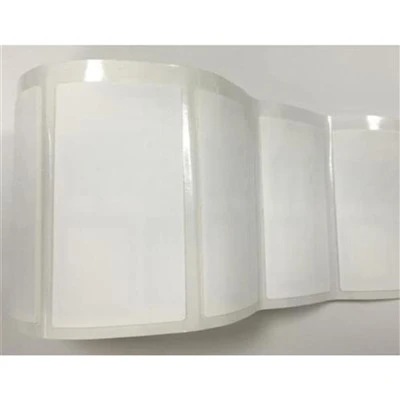
In conclusion, Fixed UHF Readers have great potential in waste management systems. They offer numerous benefits, including enhanced tracking and monitoring, improved inventory management, and data – driven decision making. While there are challenges such as tag readability, cost, and data security, these can be addressed with proper planning and implementation.
RFID Tags If you are in the waste management industry and are interested in exploring the use of Fixed UHF Readers in your operations, I encourage you to reach out to us. Our team of experts can provide you with more information about our products and how they can be customized to meet your specific needs. We are committed to helping you improve the efficiency and sustainability of your waste management system.
References
- "RFID in Supply Chain Management" by David F. Clarke
- "Waste Management: Principles and Practice" by Paul A. Vesilind and David A. Peirce
- "UHF RFID Technology and Applications" by J. Mark Langheinrich
Xiamen Innov Information Science & Technology Co., Ltd.
We’re professional fixed uhf reader manufacturers and suppliers in China, specialized in providing high quality products and service. We warmly welcome you to buy bulk customized fixed uhf reader from our factory.
Address: No.943, Tonglong second road, Hongtang Town, Tong’an District, Xiamen
E-mail: xminnov@rfidtagworld.com
WebSite: https://www.rfidsealtag.com/
