As a supplier of Bare Conducts, accurately measuring the conductivity of these materials is of utmost importance. Conductivity is a critical parameter that directly impacts the performance of Bare Conducts in various applications, ranging from electronics to energy storage. In this blog post, I will share my insights and experiences on how to measure the conductivity of Bare Conducts accurately. Bare Conducts

Understanding Conductivity
Before delving into the measurement techniques, it is essential to understand what conductivity is. Conductivity, denoted by the symbol σ (sigma), is a measure of a material’s ability to conduct an electric current. It is the reciprocal of resistivity (ρ), which is a measure of a material’s resistance to the flow of electric current. The SI unit of conductivity is siemens per meter (S/m).
The conductivity of a material depends on several factors, including the type of material, its temperature, and the presence of impurities. In the case of Bare Conducts, which are typically made of metals or metal alloys, the conductivity is primarily determined by the number of free electrons available for conduction and their mobility within the material.
Importance of Accurate Conductivity Measurement
Accurate conductivity measurement is crucial for several reasons. Firstly, it allows us to ensure the quality and consistency of our Bare Conducts. By measuring the conductivity of each batch of products, we can identify any variations or deviations from the specifications and take appropriate corrective actions. This helps us to maintain the high standards of our products and meet the expectations of our customers.
Secondly, conductivity measurement is essential for optimizing the performance of Bare Conducts in specific applications. Different applications have different requirements in terms of conductivity, and by accurately measuring the conductivity, we can select the most suitable Bare Conducts for each application. This can improve the efficiency and reliability of the end products and reduce the risk of failures or malfunctions.
Finally, conductivity measurement is necessary for complying with industry standards and regulations. In many industries, such as electronics and energy, there are strict standards and regulations regarding the conductivity of materials used in electrical systems. By measuring the conductivity of our Bare Conducts, we can ensure that they meet these standards and regulations, which is essential for the safety and performance of the end products.
Measurement Techniques
There are several techniques available for measuring the conductivity of Bare Conducts. The choice of technique depends on several factors, including the type of material, the shape and size of the sample, and the required accuracy of the measurement. In this section, I will discuss some of the most commonly used techniques.
Four-Point Probe Method
The four-point probe method is one of the most widely used techniques for measuring the conductivity of thin films and bulk materials, including Bare Conducts. This method involves applying a known current through two outer probes and measuring the voltage drop across two inner probes. The conductivity of the material can then be calculated using Ohm’s law and the geometry of the sample.
The main advantage of the four-point probe method is that it eliminates the contact resistance between the probes and the sample, which can significantly affect the accuracy of the measurement. This makes it particularly suitable for measuring the conductivity of materials with low resistivity, such as metals and metal alloys.
The four-point probe method can be used to measure the conductivity of both bulk materials and thin films. For bulk materials, the sample is typically cut into a rectangular or circular shape, and the four probes are placed on the surface of the sample. For thin films, the sample is usually deposited on a substrate, and the four probes are placed on the surface of the film.
Two-Point Probe Method
The two-point probe method is a simpler and more straightforward technique for measuring the conductivity of materials. This method involves applying a known current through two probes and measuring the voltage drop between the probes. The conductivity of the material can then be calculated using Ohm’s law and the geometry of the sample.
The main disadvantage of the two-point probe method is that it includes the contact resistance between the probes and the sample, which can significantly affect the accuracy of the measurement. This makes it less suitable for measuring the conductivity of materials with low resistivity, such as metals and metal alloys.
The two-point probe method can be used to measure the conductivity of both bulk materials and thin films. However, it is more commonly used for measuring the conductivity of materials with high resistivity, such as semiconductors and insulators.
Conductivity Meters
Conductivity meters are commercially available instruments that are specifically designed for measuring the conductivity of liquids and solutions. These meters work by applying a small electric current to the sample and measuring the resulting voltage drop. The conductivity of the sample can then be calculated using Ohm’s law and the calibration of the meter.
Conductivity meters are relatively simple to use and can provide accurate and reliable measurements of the conductivity of liquids and solutions. However, they are not suitable for measuring the conductivity of solid materials, such as Bare Conducts.
Factors Affecting Conductivity Measurement
There are several factors that can affect the accuracy of conductivity measurement, including the temperature of the sample, the presence of impurities or defects in the sample, and the contact resistance between the probes and the sample. In this section, I will discuss these factors in more detail.
Temperature
The conductivity of a material is strongly dependent on its temperature. In general, the conductivity of metals and metal alloys decreases with increasing temperature, while the conductivity of semiconductors and insulators increases with increasing temperature. This is due to the fact that the mobility of free electrons in metals and metal alloys decreases with increasing temperature, while the number of free electrons in semiconductors and insulators increases with increasing temperature.
To ensure accurate conductivity measurement, it is essential to control the temperature of the sample during the measurement. This can be achieved by using a temperature-controlled environment, such as an oven or a cryostat, or by measuring the temperature of the sample and correcting the conductivity measurement for the temperature dependence.
Impurities and Defects
The presence of impurities or defects in the sample can significantly affect the conductivity of the material. Impurities can introduce additional scattering centers for the free electrons, which can reduce the mobility of the electrons and decrease the conductivity of the material. Defects, such as dislocations and grain boundaries, can also act as scattering centers for the free electrons and reduce the conductivity of the material.
To ensure accurate conductivity measurement, it is essential to use high-quality samples that are free from impurities and defects. This can be achieved by using high-purity materials and by carefully controlling the manufacturing process of the samples.
Contact Resistance
The contact resistance between the probes and the sample can significantly affect the accuracy of conductivity measurement. Contact resistance is the resistance that occurs at the interface between the probes and the sample due to the presence of a thin layer of oxide or other contaminants on the surface of the sample.
To minimize the contact resistance, it is essential to clean the surface of the sample thoroughly before the measurement and to use probes that are made of a material that has a low contact resistance with the sample. In addition, it is important to apply a sufficient amount of pressure to the probes to ensure good contact with the sample.
Conclusion
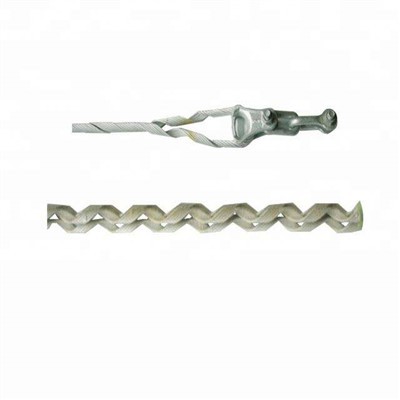
Accurately measuring the conductivity of Bare Conducts is essential for ensuring the quality and performance of these materials in various applications. In this blog post, I have discussed some of the most commonly used techniques for measuring the conductivity of Bare Conducts, including the four-point probe method, the two-point probe method, and conductivity meters. I have also discussed some of the factors that can affect the accuracy of conductivity measurement, such as temperature, impurities and defects, and contact resistance.
Bare Conducts As a supplier of Bare Conducts, we are committed to providing our customers with high-quality products that meet their specific requirements. By accurately measuring the conductivity of our Bare Conducts, we can ensure that they have the desired electrical properties and performance. If you are interested in purchasing Bare Conducts or have any questions about conductivity measurement, please feel free to contact us for a personalized consultation and to discuss your procurement needs.
References
- Ashcroft, N. W., & Mermin, N. D. (1976). Solid State Physics. Holt, Rinehart and Winston.
- Kittel, C. (2005). Introduction to Solid State Physics (8th ed.). Wiley.
- Sze, S. M., & Ng, K. K. (2007). Physics of Semiconductor Devices (3rd ed.). Wiley.
Yimeng Cable Co.,Ltd
We’re well-known as one of the leading bare conducts enterprises in China, engaged in manufacturing high quality customized products. If you’re going to wholesale best selling bare conducts at low price, welcome to get more information from our factory.
Address: No.26,Kunming Road, Linyi Economic and Technological Development Zone
E-mail: yimeng@yimengcable.com
WebSite: https://www.yimengcable.com/
