Hey there! I’m a supplier of synchronous motors, and today I wanna chat about the disadvantages of permanent magnet synchronous motors (PMSMs). Now, don’t get me wrong, PMSMs are pretty cool and have a lot of advantages, but like anything in life, they ain’t perfect. So, let’s dig into the not – so – great aspects of these motors. Synchronous Motor

High Initial Cost
One of the biggest drawbacks of PMSMs is the high initial cost. You see, the permanent magnets used in these motors are made from rare – earth materials like neodymium and dysprosium. These materials are not only scarce but also expensive to mine and process. The cost of these magnets makes up a significant portion of the overall cost of the motor.
For small – scale applications or budget – conscious projects, this high upfront cost can be a real deal – breaker. It might force customers to look for more cost – effective alternatives, like induction motors. And as a supplier, I know that convincing customers to shell out more money for a PMSM can be a tough sell, especially when they’re on a tight budget.
Temperature Sensitivity
PMSMs are quite sensitive to temperature changes. The performance of the permanent magnets can degrade at high temperatures. When the motor gets too hot, the magnetic properties of the magnets can weaken, which in turn reduces the motor’s efficiency and torque output.
This temperature sensitivity means that PMSMs often require sophisticated cooling systems to maintain their performance. These cooling systems add to the overall cost and complexity of the motor. For example, in some industrial applications where the motor operates in a high – temperature environment, additional cooling mechanisms like liquid cooling or forced – air cooling need to be installed. This not only increases the initial investment but also the ongoing maintenance costs.
Demagnetization Risk
There’s a risk of demagnetization in PMSMs. If the motor is exposed to excessive currents, high temperatures, or strong external magnetic fields, the permanent magnets can lose their magnetization. Once demagnetized, the motor’s performance will be severely affected, and in some cases, the motor may even become inoperable.
This demagnetization risk requires careful design and protection mechanisms. As a supplier, we have to ensure that our PMSMs are equipped with over – current protection and temperature sensors to prevent demagnetization. But even with these safeguards, there’s still a small chance of demagnetization occurring, which can lead to costly repairs or replacements for the customers.
Limited Speed Range
PMSMs typically have a limited speed range compared to some other types of motors. The speed of a PMSM is directly related to the frequency of the power supply and the number of poles in the motor. While it’s possible to adjust the speed by changing the frequency, there are practical limitations.
In high – speed applications, the centrifugal forces acting on the rotor can cause mechanical stress on the permanent magnets. This can lead to magnet damage or even detachment from the rotor. On the other hand, at very low speeds, the motor may experience torque ripple, which can cause vibration and noise. This limited speed range can be a problem in applications where a wide range of speeds is required, such as in some machine tools or robotics.
Complex Control Requirements
Controlling a PMSM is more complex than controlling other types of motors. These motors require advanced control algorithms to ensure smooth operation and optimal performance. The control system needs to accurately regulate the current and voltage supplied to the motor to maintain the desired speed and torque.
For someone who’s not well – versed in motor control, implementing a PMSM can be a challenge. It often requires specialized knowledge and skills to design and program the control system. This complexity can also lead to longer development times and higher costs for system integration. As a supplier, we sometimes have to provide additional support and training to our customers to help them set up and operate the PMSMs correctly.
Recycling and Disposal Challenges
When it comes to the end – of – life of a PMSM, there are some challenges with recycling and disposal. The rare – earth magnets used in these motors are difficult to recycle. The recycling process is complex and expensive, and there are currently limited facilities available for recycling these materials.
In addition, improper disposal of PMSMs can have environmental impacts. The rare – earth materials can leach into the soil and water if not disposed of properly. As a responsible supplier, we’re aware of these issues and are constantly looking for ways to improve the recycling and disposal processes for our products.
Supply Chain Risks
The supply of rare – earth materials used in PMSMs is subject to geopolitical and market risks. Most of the world’s rare – earth reserves are concentrated in a few countries, and any political instability or trade disputes in these regions can disrupt the supply chain.
This supply chain risk can lead to price fluctuations and shortages of the raw materials needed to manufacture PMSMs. As a supplier, we have to deal with these uncertainties and try to manage our inventory and production schedules accordingly. It can be a real headache, especially when we’re trying to meet the demands of our customers.
Noise and Vibration
PMSMs can generate more noise and vibration compared to some other types of motors. The torque ripple mentioned earlier can cause the motor to vibrate, which in turn can produce noise. In applications where quiet operation is required, such as in some home appliances or medical equipment, this noise and vibration can be a major drawback.
To reduce the noise and vibration, additional measures need to be taken, such as using vibration – dampening materials or optimizing the motor design. These measures add to the cost and complexity of the motor.
Despite all these disadvantages, PMSMs still have their place in the market. They offer high efficiency, high power density, and good dynamic performance in many applications. As a supplier, we’re constantly working on improving our products to minimize these drawbacks.
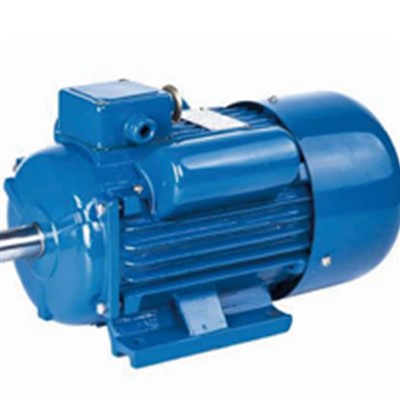
If you’re considering using permanent magnet synchronous motors in your project and want to know more about how we can address these issues or if you have any other questions, feel free to reach out to us. We’re here to help you make the best decision for your application. Whether it’s discussing the cost – saving options, the cooling solutions, or the control systems, we’ve got the expertise to guide you through the process. So, don’t hesitate to contact us for a detailed discussion and let’s see if our PMSMs are the right fit for you.
Explosion-proof Motors References:
- "Electric Motors and Drives: Fundamentals, Types and Applications" by Austin Hughes and Bill Drury
- "Permanent Magnet Synchronous Machines: Design and Control" by Bogdan Mihet – Pop and Sorin Vasilescu
Hengshui Milestone Motor Co., Ltd
As one of the most professional synchronous motor manufacturers and suppliers in China, we’re featured by quality products and competitive price. Please rest assured to buy bulk discount synchronous motor from our factory. Contact us for customized service and quotation.
Address: Hengshui City, Hebei Province, China
E-mail: sales@milestonemotor.com
WebSite: https://www.mst-motor.com/
