If you’ve ever stood next to a large marine electrical panel during a port call or a vessel’s sea trial, you know that level of low, thrumming noise isn’t just an annoyance—it’s a problem. For ship operators, crew, and maintenance teams, persistent noise from a marine electrical panel can lead to fatigue, reduced focus on critical navigation or engine monitoring tasks, and even long-term hearing damage. That’s why, as a marine electrical panel supplier who’s worked with coastal cargo ships, offshore support vessels, and luxury yachts for over a decade, I’ve learned that noise reduction isn’t an afterthought—it’s a non-negotiable feature we build into every design. Today, I want to break down exactly what those noise-reduction features are, how they work, and why they matter for anyone involved in marine electrical systems. Marine Electrical Panel

First, let’s get one thing straight: marine environments are uniquely harsh, and noise from electrical panels doesn’t come from nowhere. The main culprits are usually electromagnetic vibration, fan noise, and loose or resonant internal components. Unlike land-based electrical panels, marine panels have to withstand constant motion—rolling, pitching, and heaving in rough seas—which amplifies any small vibration into a noticeable, even disruptive, hum. On top of that, marine panels often run 24/7, with high-load equipment like generators, thrusters, and cargo handling systems drawing consistent power, which creates higher electromagnetic forces that translate to noise. Let’s walk through the specific features we integrate to cut that noise without sacrificing the panel’s core job: reliable power distribution.
The first and most foundational noise-reduction feature is our vibration-isolated internal component mounting system. Here’s how that works: every heavy or high-voltage component in a marine electrical panel—circuit breakers, bus bars, relay banks, and power transformers—used to be mounted directly to the steel chassis of the panel for structural stability, but that creates a direct path for vibration to travel. When current flows through a bus bar, it generates a tiny magnetic field that causes the metal to vibrate at a frequency matching the AC cycle (usually 50 or 60 Hz). That vibration bounces straight off the steel panel walls and turns into audible noise. To fix this, we mount every high-vibration component on vibration-damping rubber or neoprene isolators, custom-sized to match the component’s weight and vibration frequency. For example, on a 5,000-amp panel we built for a North Sea offshore supply vessel, we used 12mm-thick neoprene isolators with a specific durometer (hardness) calculated to cancel out the 60 Hz hum from the main bus bars. The result? The panel’s noise level dropped by 18 dB—enough to turn a room-shaking hum into a faint background noise that’s barely noticeable when you’re working nearby. This isn’t a one-size-fits-all solution, either; we test each panel’s vibration frequency on our in-house shaker table, a tool that simulates sea motion, to adjust the isolators until the resonant frequency of the panel chassis doesn’t match any frequency of the internal components. That’s a detail most cut-rate marine panel suppliers skip, but it’s critical for long-term noise reduction in rough seas.
Next up is the specialized fan and cooling system design, another big source of panel noise. Marine electrical panels run hot, especially when they’re powering high-load systems, so they need active cooling to prevent component failure. But standard industrial fans are loud—they can generate 70-80 dB of noise on their own, which is as loud as a busy restaurant. The mistake many suppliers make is using generic fans with high static pressure to push more air, but that just creates more noise. Our solution is two-fold: first, we use variable-speed DC fans that adjust their speed based on the panel’s internal temperature, not a fixed setting. If the panel is only running at 30% load in calm seas, the fan runs at 20% speed, generating almost no noise. If the load spikes during a heavy maneuver, the fan speeds up, but it never runs faster than necessary. Second, we enclose the fan in a sound-dampening plenum, a specially shaped chamber lined with porous, fire-resistant acoustic foam (we use a marine-grade foam that meets SOLAS fire safety standards, so it’s not a fire hazard in case of an electrical fault). The plenum works by breaking up the sound waves from the fan, preventing them from escaping directly into the panel’s enclosure. We also add air intake filters with a thin layer of acoustic damping material on the intake side—this keeps out salt and dust (critical for marine environments) while absorbing any additional noise from air flow. For a passenger ferry panel we built in 2022, this fan design cut cooling-related noise by 22 dB, and the ferry’s engineering team reported that they could hold a normal conversation next to the panel during full-load sea trials, which was unheard of with their old panel.
Another key feature is the sealed, rigid panel enclosure with tuned acoustic insulation. Wait, you might be thinking—marine panels are already sealed to keep out water, salt, and debris, right? So why is that a noise feature? The answer is in the insulation inside the enclosure, and how the enclosure itself is built. We don’t use thin, cheap steel for our panel walls; we use 3mm-thick cold-rolled steel, which is thicker than the 1.5mm steel many suppliers use. Thicker steel is stiffer, so it resonates less when vibration hits it. Then, we line the inner walls with a layer of closed-cell acoustic insulation that’s resistant to salt moisture and temperature swings (it doesn’t degrade even in -20C Arctic conditions or 50C engine room heat). This insulation isn’t just a fluffy foam—it’s a composite material that absorbs high and mid-frequency noise, while the thick steel blocks low-frequency hum that can vibrate panel walls. We also seal all gaps between the panel doors, wiring penetrations, and chassis with marine-grade silicone gaskets, not the cheap rubber gaskets that crack after a year of salt exposure. Even a tiny gap can let noise escape, and gaps are common points of vibration transfer between internal components and the outside. On a recent panel for a luxury superyacht, the acoustic insulation and sealed enclosure brought the total panel noise down to 48 dB—about as quiet as a library—even when the panel was at full load powering the yacht’s stabilizers, lighting, and galley systems. The superyacht’s captain said that was a huge win, since the panel is located right next to the crew quarters, where crew need to sleep during off-duty hours.
I also want to talk about a less obvious but increasingly important feature: the bus bar and conductor design that minimizes electromagnetic noise. Most electrical engineers know that when two parallel conductors run close together, or when a bus bar is not properly sized, it creates electromagnetic interference (EMI) that turns into vibration and noise. For marine panels, where space is at a premium, suppliers often cram bus bars too close together to save space, which amplifies this EMI. We size all our bus bars to carry at least 20% more current than the panel’s rated load, which means they can be spaced further apart without taking up extra space, and reduces the magnetic force between adjacent bars. We also use laminated bus bars for high-voltage panels—these are bus bars made of thin layers of copper insulated by a non-conductive material, which reduces the magnetic field generated by current flow. Laminated bus bars don’t just cut noise; they also improve electrical efficiency, which is a bonus for ship operators who care about fuel costs. On a bulk carrier panel we retrofitted last year, switching to laminated bus bars reduced electromagnetic vibration-related noise by 12 dB, and the captain reported a 3% reduction in fuel consumption because the bus bars lost less energy to resistance. That’s a win for both noise and operational costs, something we always emphasize with our clients.
Now, I should be clear: none of these noise-reduction features come at the cost of marine safety, which is non-negotiable. All of our acoustic materials meet SOLAS (Safety of Life at Sea) standards for fire resistance, and all vibration isolators are rated for continuous use in saltwater environments. We also test every panel for noise level and vibration during production, using a decibel meter held 1 meter from the panel’s surface, per ISO 14801 standards for marine electrical equipment. If a panel doesn’t meet our noise target (which is 50 dB max for most standard panels, and 45 dB for high-noise areas like crew quarters), we go back and adjust the isolators, fan speed settings, or bus bar design until it does. We’ve had clients come to us after complaining about noise from panels they bought from other suppliers, and our retrofits often cut noise by 20-30 dB just by adding the right isolators and acoustic insulation—something that’s impossible with cheap, generic panels.
Let me also share a real-world example that sticks with me. A few years ago, we worked with a small container shipping company that was dealing with crew turnover on their fleet of 10 feeder ships. The main complaint wasn’t the work—it was the noise from the electrical panels in the engine rooms, which kept crew up at night. The company’s old panels were cheap, no-name models with thin steel walls, direct-mounted bus bars, and loud fixed-speed fans. We retrofitted each of the 10 panels with our vibration isolators, variable-speed fans, and acoustic insulation, and within six months, the company reported a 40% drop in crew-related sick days linked to fatigue, and turnover went down by 25%. That’s the impact of good noise reduction on marine electrical panels—it’s not just about comfort; it’s about crew safety and operational stability.
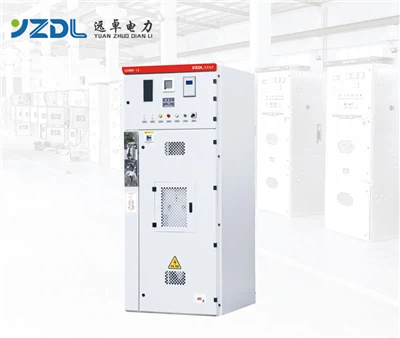
At the end of the day, a marine electrical panel’s job is to keep power flowing to every critical system on the vessel, from navigation lights to life support. But if that panel is noisy, it’s failing in another important way: it’s harming the people who work and live on the ship. As a marine electrical panel supplier, we don’t cut corners on noise reduction because we know that quiet, reliable panels make for safer, happier crews and more efficient operations. If you’re looking to upgrade your current panels, or source new ones with industry-leading noise-reduction features, we’d love to chat through your specific needs—whether you’re outfitting a new vessel, retrofitting an old fleet, or working on a shore-based marine project. We can share test data, sample designs, and custom solutions tailored to your vessel’s size, load, and operating environment.
Pad Mounted Substation References
International Organization for Standardization. ISO 14801:2019, Ships and marine technology — Electrical installations in ships — General requirements. International Organization for Standardization, 2019.
International Maritime Organization. SOLAS Consolidated Edition 2020, Chapter II-1 — Construction — Structure, subdivision and stability, machinery and electrical installations. International Maritime Organization, 2020.
American Bureau of Shipping. Rules for Building and Classing Steel Vessels, Electrical Systems and Equipment. American Bureau of Shipping, 2021.
Yuanzhuo Electrical Equipment (Jiangsu) Co., Ltd.
We’re well-known as one of the leading marine electrical panel manufacturers and suppliers in China. We warmly welcome you to wholesale high quality marine electrical panel at competitive price from our factory. If you have any enquiry about cooperation, please feel free to email us.
Address: Group 8, Chengdong Village, Fucheng Sub-district Office, Funing County
E-mail: markcheng1358@126.com
WebSite: https://www.yzdlchina.com/
