Hey everyone, it’s Jake here, and if you’ve ever walked into a modern office lobby, a trendy retail store, or a sleek residential kitchen, chances are you’ve spotted a UV marble sheet without even realizing it. As someone who’s been in the UV marble sheet supply game for over seven years, I get asked one question more than any other: “What exactly is that stuff made of? It looks like real marble, but it’s way lighter and easier to clean.” Today, I’m breaking down the chemical composition of UV marble sheets—no fancy jargon, just the real science behind the product we ship out every week, plus a little behind-the-scenes from our warehouse that makes our supply stand out. UV Marble Sheet
Let’s start with the basics to avoid confusion. When people say “UV marble sheet,” they’re not talking about actual quarried marble (that’s natural stone, with a totally different composition and set of pros and cons). UV marble sheet is a composite product designed to mimic the look of marble, engineered to be durable, low-maintenance, and cost-effective for everything from wall cladding to countertop surfaces. The key here is that “UV” stands for ultraviolet curing, which is the final step that gives the sheet its signature tough, scratch-resistant finish. Without that UV-cured layer, the sheet would just be a plastic-based composite that scratches and fades in six months.
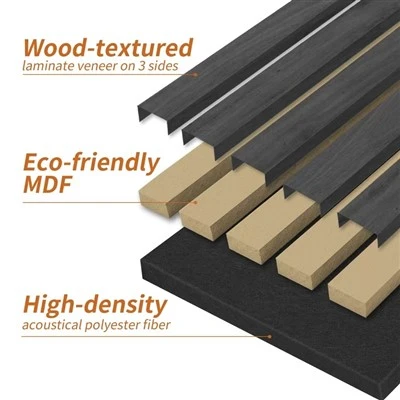
Now, let’s get into the core layers, because UV marble sheets aren’t a single material—they’re a multi-layered system, each with a specific chemical job. Think of it like a sandwich: each layer serves a purpose, and skimping on any layer is how cheap, low-quality UV marble sheets end up peeling or fading in a year.
The first and most important layer for our product (and I can say this because we test every batch in our in-house lab) is the substrate core. This is the backbone of the sheet, and almost all reputable UV marble sheets use one of two core materials, each with its own chemical makeup. The most common core in our line is high-density polyvinyl chloride (PVC) foam core. Wait, I know what you’re thinking—PVC has a reputation, but let’s be clear: modern PVC cores are formulated to be low-VOC (volatile organic compounds) and structurally stable. The chemical composition here is mostly vinyl chloride monomers polymerized into long, repeating chains. We add plasticizers to make it flexible enough to shape into large sheets without cracking, and heat stabilizers to prevent the polymer from breaking down when we process it at high temperatures. For customers in humid climates—think Southeast Asia or coastal Florida—we also offer a water-resistant PVC core that has a proprietary blend of ethylene vinyl acetate (EVA) co-polymers added to the PVC, which reduces water absorption to less than 0.1% (that’s why these sheets won’t warp in a bathroom or outdoor patio).
The other core option we carry is solid polypropylene (PP) core, which is lighter than PVC and has even better chemical resistance, making it ideal for lab countertops or food processing areas. PP is a thermoplastic polymer made from propylene monomers, with a molecular structure that’s more linear than PVC, giving it higher tensile strength. We rarely use solid PP for residential applications because it’s a bit more expensive, but for commercial projects where durability against harsh cleaning chemicals is non-negotiable, it’s the go-to.
Next up, the decorative layer—this is what makes the sheet look like marble, right? The decorative layer is a thin, printed film, usually made of PET (polyethylene terephthalate) or PVC, with a marble pattern printed on it using UV-curable inks. PET is actually the same material used in plastic water bottles, but it’s been formulated to be thin (usually 0.1 to 0.2 mm) so the pattern is crisp, but durable enough to not tear during lamination. The inks here are a mix of acrylic resins, pigment particles (the ones that give the marble its gray veining, white base, or black spots), and small amounts of solvents, but here’s the thing: we only use inks that are rated for UV curing, which means when the final layer is applied, the solvents evaporate almost completely, leaving only the pigment and resin bonded to the PET. No leftover volatile solvents that can off-gas, which is a big win for indoor air quality—something we prioritize because we know most of our customers are using these sheets in schools, hospitals, and homes.
Then comes the adhesion layer, which is the unsung hero that holds everything together. Without this, the decorative layer would peel off the core after a few months of use. Our adhesion layer is a water-based acrylic pressure-sensitive adhesive, formulated specifically to bond PVC or PET to their respective cores. The chemical makeup here is acrylic acid ester polymers, which have a strong molecular attraction to both the porous foam core and the smooth PET film. We test this adhesion layer every month by doing a cross-hatch test: we cut small lines in the surface, press a piece of tape on, and pull it off. If less than 5% of the decorative layer comes off, it passes. Cheap adhesion layers use solvent-based adhesives that can break down over time, especially in high-heat areas, so we skip those—no exceptions.
Finally, the star of the show: the UV-cured topcoat. This is what gives UV marble sheets their name, and it’s the layer that makes them so much more durable than other decorative surfaces like laminate or ceramic. The topcoat is a 0.02 to 0.05 mm thick layer of urethane acrylate oligomers, mixed with photoinitiators and small amounts of cross-linking agents. Here’s how it works chemically: when we pass the laminated sheet through a UV curing machine (that uses wavelengths of 200 to 400 nanometers), the photoinitiators absorb the UV energy and trigger a chemical reaction where the acrylate groups in the oligomers link together, forming a 3D cross-linked polymer network. This network is super tight and resistant to scratches, UV rays, and household chemicals like vinegar or bleach. That’s why our UV marble sheets don’t scratch when you drag a chair across them, and they won’t fade after 10 years of being in direct sunlight—something natural marble can’t say, since it etches from acidic liquids and scratches easily.
Now, I want to be transparent here, because not all UV marble sheets are created equal. A lot of low-quality suppliers cut corners on the core or the topcoat. For example, some use a low-density PVC core that’s full of phthalates (harmful plasticizers that are banned in many countries for indoor use) to save money, or they use a thin, weak UV topcoat that only cures partially, leading to yellowing after a year. We test every batch of our sheets for VOC emissions, lead and other heavy metals in the pigments, and adhesion strength, because we’ve seen what happens when suppliers don’t do that. Last year, we had a customer who switched to a cheaper UV marble sheet for a retail project, and within six months, the decorative layer peeled off in high-traffic areas. They came back to us to redo the job, and we found that the supplier used a cheap solvent-based adhesive and a PET film that was too thin. That’s not the kind of work we want to put our name on.
Another thing that’s important to note: unlike natural marble, which is mostly calcium carbonate, our UV marble sheets are completely non-porous. That means they don’t absorb liquids, stains, or bacteria, which is why they’re so popular for kitchen backsplashes and hospital waiting rooms. Natural marble needs to be sealed every six months to prevent staining, but our sheets just need a quick wipe with a damp cloth to look new. That’s a huge selling point for customers who don’t want the hassle of maintaining natural stone.
Wait, I should also address a common question: are UV marble sheets eco-friendly? This is a big one these days, and we get it. While PVC does have a carbon footprint compared to natural stone, our sheets are recyclable. We have a take-back program for end-of-life sheets, and we partner with a recycling facility that breaks down the PVC core into new plastic products. Also, since they last 15 to 20 years, they have a lower overall carbon footprint than natural marble, which requires quarrying, transporting heavy stone, and sealing every few years. We also offer FSC-certified UV marble sheets with PP cores for customers who prioritize wood-free, eco-friendly options.
Let me wrap this up with what matters most for our customers. At the end of the day, the chemical composition of a UV marble sheet isn’t just a bunch of polymers and layers—it’s what determines if the sheet will look good for 10 years or 2 years, if it’s safe for indoor use, and if it’s worth the investment. We don’t sell cheap, flash-in-the-pan sheets. We supply UV marble sheets that are engineered with quality chemistry, tested for durability, and backed by a team that knows exactly what goes into every single roll and sheet we ship.
If you’re a contractor looking for a reliable supply for a commercial project, a homeowner renovating your kitchen, or a designer who needs a consistent marble look for multiple spaces, we’d love to chat. We can send you sample sheets, share our test data, and work with your timeline and budget. No hidden fees, no cheap shortcuts, just a product that delivers on its promises.
Let’s connect and turn your project vision into something durable, beautiful, and easy to maintain.
Acoustic Wall Panel References
- Ash, M., & Ash, I. (2007). Handbook of Plastic Compositions and Raw Materials. Synapse Information Resources.
- Kutz, M. (2011). Applied Plastics Engineering Handbook: Processing, Materials, and Applications. William Andrew.
- Österholm, T. (2019). Indoor Air Quality Impacts of Building and Decorative Materials. Journal of Environmental Health, 82(3), 28-35.
- Radhakrishnan, C., & Nair, C. P. R. (2005). UV-Curable Coatings for Industrial Applications. Progress in Organic Coatings, 53(3), 215-230.
Shandong Dowell Decorative Material Co., Ltd.
Address: Room 913, 9th Floor, International Trade Service Center, No. 100 Lingong Road, Comprehensive Bonded Zone, Chaoyang Street, Yihe New District, Linyi City, Shandong PR, China
E-mail: info@dowellpanel.com
WebSite: https://www.dowellspcfloor.com/
