Hey there! As a supplier of Trunnion Ball Valves, I often get asked about how to adjust the position of these valves. It’s a crucial skill, especially for those working in industries where the precise control of fluid flow is everything. So, let’s dive right in and talk about the ins and outs of adjusting a Trunnion Ball Valve. Trunnion Ball Valve

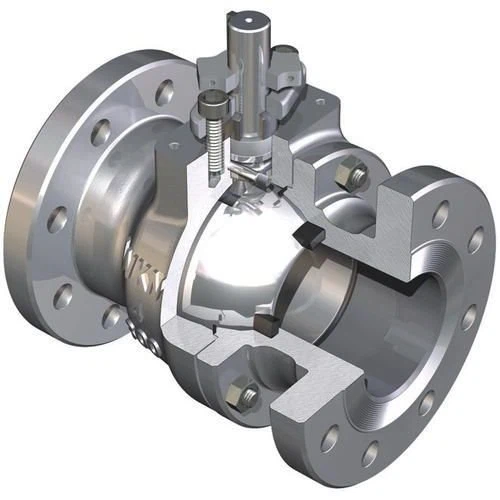
First off, let me give you a quick rundown of what a Trunnion Ball Valve is. It’s a type of valve that uses a spherical ball with a hole in the middle to control the flow of fluids. The ball is supported by trunnions, which are shafts or pins that help keep the ball in place and allow it to rotate smoothly. These valves are commonly used in oil and gas pipelines, chemical plants, and other industrial settings where high-pressure and high-temperature applications are the norm.
Now, let’s get to the main topic – adjusting the position of a Trunnion Ball Valve. The process might seem a bit intimidating at first, but with the right tools and a bit of know-how, it’s actually pretty straightforward.
Step 1: Safety First
Before you even think about touching the valve, safety needs to be your top priority. Make sure the valve is isolated from the system, which means shutting off the flow of fluid and relieving any pressure in the pipeline. Wear the appropriate safety gear, like gloves and goggles, to protect yourself from any potential hazards.
Step 2: Identify the Valve Position
You need to know the current position of the valve. Most Trunnion Ball Valves have an indicator that shows whether the valve is open, closed, or in a partially open position. This indicator is usually a pointer or a marker on the valve stem. Check this indicator to determine where the valve is at the moment.
Step 3: Prepare the Tools
You’ll need a few basic tools to adjust the valve. A wrench is the most common tool, which you’ll use to turn the valve stem. Make sure the wrench fits the valve stem properly to avoid any stripped nuts or bolts. You might also need a torque wrench to ensure you’re applying the right amount of force when tightening or loosening the valve components.
Step 4: Adjusting the Valve
If you need to open the valve, turn the valve stem in a counter – clockwise direction. As you turn, you’ll feel the resistance decrease as the ball inside the valve rotates to allow fluid to flow. Keep turning until the valve is fully open or reaches the desired position.
On the other hand, if you’re closing the valve, turn the valve stem in a clockwise direction. You’ll notice the resistance increasing as the ball blocks the flow path. Make sure to close the valve firmly, but don’t over – tighten it. Over – tightening can damage the valve seat and cause leaks.
Step 5: Verifying the Adjustment
Once you’ve adjusted the valve, it’s important to verify that the position is correct. Check the valve indicator again to make sure it shows the desired position. You can also use a pressure gauge or flow meter to confirm that the fluid flow is as expected. If there are any discrepancies, you may need to make further adjustments.
Troubleshooting
Sometimes, you might run into some issues when adjusting the Trunnion Ball Valve. If the valve is hard to turn, it could be due to a few reasons. There might be debris stuck in the valve, preventing the ball from rotating smoothly. In this case, you’ll need to disassemble the valve and clean it. Another possibility is that the packing around the valve stem is too tight. You can loosen the packing nuts slightly to relieve the pressure on the stem.
If you notice a leak after adjusting the valve, it could be because the valve seat is damaged. You’ll need to inspect the seat and replace it if necessary. Also, make sure all the bolts and nuts are tightened properly.
Maintenance Tips
Regular maintenance is key to keeping your Trunnion Ball Valve in good working condition. Inspect the valve regularly for signs of wear and tear, such as corrosion or leaks. Lubricate the valve stem and moving parts to ensure smooth operation. If you’re using the valve in a harsh environment, consider applying a protective coating to prevent corrosion.
In conclusion, adjusting the position of a Trunnion Ball Valve is an important skill that can help ensure the efficient and safe operation of your industrial systems. By following these steps, you can make the adjustment process as smooth as possible.
Floating Ball Valve If you’re in the market for Trunnion Ball Valves or need more advice on valve adjustment and maintenance, don’t hesitate to reach out to us. We’re here to provide you with high – quality valves and expert guidance. Whether you’re a small – scale operation or a large industrial facility, we’ve got the products and knowledge to meet your needs. So, let’s start a conversation about how we can help you with your valve requirements.
References
- "Valve Handbook" by Valve Manufacturers Association.
- Industry – specific technical manuals on Trunnion Ball Valves.
Zhejiang Sunawei Valve Co., Ltd.
As one of the most professional trunnion ball valve manufacturers and suppliers in China, we offer a wide range of valves with superior quality. Please feel free to wholesale high quality trunnion ball valve at competitive price from our factory. We also accept customized orders.
Address: Anfeng Industrial, Oubei Town, Wenzhou City, Zhejiang, China
E-mail: snv@sunawevalve.com
WebSite: https://www.sunay-valves.com/
