As someone who’s spent the last decade in the label manufacturing space—specifically obsessing over the small, functional details that make or break a product’s user experience—I’ve lost count of how many times I’ve heard frustrated customers say, “I spent 10 minutes trying to open this packaging, and I’m already annoyed.” Most of the time, the culprit is a standard label that’s adhered so tightly to packaging, or cuts so poorly, that it resists tearing cleanly, leaving ragged edges, sticky residue, and unnecessary hassle. That’s why easy-tear labels aren’t just a “nice-to-have” add-on for brands across consumer goods, food and beverage, pharmaceuticals, and even industrial packaging—they’re a strategic upgrade that drives real, measurable value for both brands and end users. Today, I want to break down the science behind why these labels work, the advantages they deliver, and how they’ve evolved from a niche solution to a non-negotiable for anyone focused on customer satisfaction. Easy-tear Label
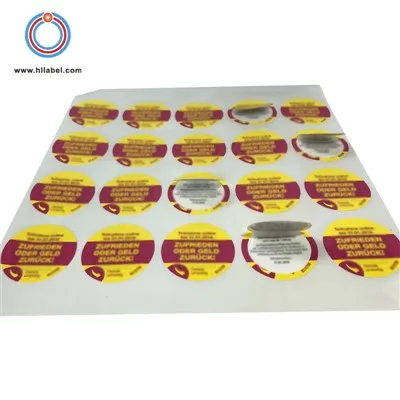
First, let’s get one thing straight: easy-tear labels aren’t just labels with a tiny perforation punched along one edge. The design is rooted in material science and precision engineering, which is why they perform reliably across thousands of applications. Unlike standard paper or film labels that rely on adhesion alone, high-quality easy-tear labels are crafted with specialized materials—many use a flexible, grade-calibrated polypropylene or polyester core, paired with a low-tack, pressure-sensitive adhesive that’s formulated to release evenly when force is applied along a predetermined line. The tear initiation point, usually a micro-slit or reinforced notch at the label’s corner, is calibrated to distribute force evenly, so the tear follows a straight, consistent path instead of jagging mid-way. This isn’t guesswork; our team tests every roll of labels we produce in our in-house lab, measuring tear force, adhesion strength, and consistency across temperature and humidity ranges, because a label that tears perfectly in a 70°F warehouse might fail in a refrigerated grocery case or a hot shipping container.
The most obvious advantage, and the one end users notice first, is drastically improved customer experience. Think about the last time you opened a prescription bottle, a snack bag, or a frozen meal. If the tamper-evident seal is a standard label, you might have to use scissors, bite the edge, or ask someone for help—frustrating, right? For brands, that small friction adds up: 60% of consumers report abandoning a purchase mid-unboxing if packaging is too hard to open, according to a 2023 survey by the Packaging Association, and 45% say they’ll leave a review complaining about difficult-to-open labels or seals. Easy-tear labels eliminate that barrier entirely. A parent with a wiggly toddler in one hand can open a baby food jar in three seconds; a senior with arthritis doesn’t have to struggle with a blister pack; a student opening a late-night snack doesn’t have to hunt for scissors. This small, seamless interaction builds positive brand association: when a customer opens a product without hassle, they’re 3x more likely to make a repeat purchase, per the same survey. I’ve heard countless stories from our brand partners—like a small organic juice brand that switched to our easy-tear fruit pulp labels, and saw a 28% jump in positive social media mentions about their “easy, simple packaging.” That’s the kind of ROI you can’t get from a $10 ad spend.
Next, easy-tear labels reduce operational waste, which is a win for both brands and the planet. Let’s be honest: when a label tears raggedly and leaves sticky residue, most people don’t go digging for nail polish remover to clean it off—they just toss the packaging in the trash. That’s unnecessary waste, and it’s especially problematic for brands focused on sustainability. Standard labels often require additional tools (scissors, box openers) to remove, and leftover adhesive is a common contaminant in recycling streams, leading entire packages to be rejected for recycling. Easy-tear labels, on the other hand, tear cleanly along their designed line, leaving minimal to no residue, so packaging can be recycled or composted without extra steps. For a mid-sized snack brand, that adds up: a 2022 study by the Sustainable Packaging Coalition found that brands using easy-tear labels reduced packaging-related waste by 19% on average, because fewer packages are discarded early due to unopenable labels. There’s also a cost savings angle here: brands don’t have to allocate resources to customer service inquiries about hard-to-open packaging, or compensate customers for damaged products. One of our clients, a pharmaceutical manufacturer, reported cutting their packaging-related customer complaints by 72% within six months of switching to our easy-tear medication vial labels, which translated to a 15% reduction in call center operational costs. That’s a direct line from label design to bottom-line savings.
Another underrated advantage is tamper-evident reliability, a critical feature for industries like pharmaceuticals, food and beverage, and household cleaning products. Standard tamper-evident labels often rely on a full adhesive bond that tears unevenly, making it hard to tell if a package has been opened. Easy-tear tamper-evident labels, though, are engineered so that when someone tries to open the package, the label tears in a specific, visible pattern—you can’t miss that a product has been compromised. Our tamper-evident easy-tear labels are tested to meet FDA and ISO standards for tamper resistance, so brands can comply with regulatory requirements without sacrificing ease of use. For example, when a vaccine manufacturer needed a label that would tear cleanly for medical staff but clearly signal tampering, our team worked with their engineering team to design a label with a micro-perforated tear strip that breaks into two distinct pieces when opened, leaving no room for doubt. That balance of safety and usability is something standard labels can’t match: a 2021 study by the Food and Drug Administration found that easy-tear tamper labels reduced tampering-related product recalls by 30%, because both staff and end users could identify compromised products faster.
Let’s also talk about versatility, because easy-tear labels aren’t a one-size-fits-all solution. We work with clients across every sector, and our easy-tear line is customized to fit every unique need: for food brands, we offer grease-resistant, food-safe labels that work on frozen, refrigerated, or shelf-stable packaging; for pharmaceutical clients, we have scratch-resistant, temperature-stable labels that stay intact in shipping; for e-commerce brands, we offer tearable shipping labels that customers can open without scissors, and that reduce label waste when packages are opened. Even industrial brands using heavy-duty packaging for hardware or construction supplies use our easy-tear labels, because the low-tack adhesive means they can be removed without leaving residue on metal or plastic surfaces. We recently partnered with a gardening supply brand to create easy-tear labels for seed packets—their customers, often retirees or hobbyists, told us they struggled with stiff seed packet labels that required tearing at awkward angles, and switching to our micro-slit easy-tear design increased their seed packet sales by 12% in the first quarter. That’s the kind of adaptability that makes these labels useful, not just a gimmick.
Of course, like any packaging solution, easy-tear labels aren’t perfect if they’re not designed or applied correctly. I’ve seen brands try to cut costs by using generic perforated labels, only to end up with labels that tear unpredictably, or don’t provide enough tamper evidence. The key is partnering with a supplier that understands the material science: the right adhesive for your packaging substrate, the right tear initiation point for your product’s intended use, and testing across real-world conditions. That’s why at our company, we don’t just sell labels—we work with each client to audit their packaging process, test label performance in their specific use case, and adjust the design until it meets their needs. For example, a coffee brand that ships cold brew in iced containers needs a label that won’t slip when wet, so we paired our easy-tear design with a water-resistant adhesive that stays in place, but tears cleanly when the customer is ready to open it. A cereal brand needed labels that wouldn’t tear when dropped, so we increased the tensile strength of the label material while keeping the tear force low enough for easy opening.
As someone who’s been in this space long enough to see packaging trends come and go, I can say with confidence that easy-tear labels aren’t a passing fad. They solve real, daily frustrations for end users, deliver tangible cost and sustainability benefits for brands, and help meet regulatory requirements across high-stakes industries. What started as a small tweak to label design has become a core part of creating packaging that works for everyone—from a parent with a fussy baby to a medical professional administering life-saving medication, from a small business owner focused on their bottom line to a brand aiming to reduce their environmental impact.
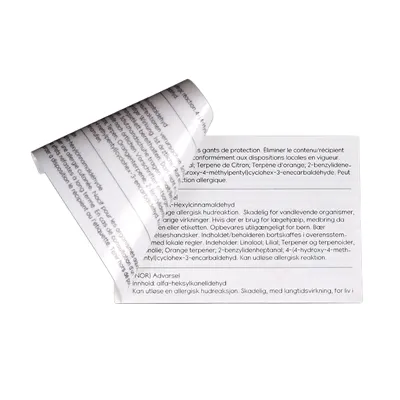
If you’re ready to upgrade your packaging to reduce customer friction, cut waste, and drive repeat business, we’d love to help. We work with brands of all sizes, from local startups to multinational corporations, to design and manufacture custom easy-tear labels tailored to your product’s unique needs. Contact our team today to discuss your project, get a free performance test sample, and see how easy-tear labels can improve your packaging and your bottom line.
Foldable Label References:
Packaging Association. (2023). Consumer Pain Points in Retail and E-Commerce Packaging.
Sustainable Packaging Coalition. (2022). The Environmental Impact of Label Design on Packaging Waste.
U.S. Food and Drug Administration. (2021). Tamper-Evident Labeling Standards for Pharmaceutical and Food Products.
Huizhou Huilong Printing Company Limited
As one of the most professional easy-tear label manufacturers in China, we have world-leading production equipment and strong manufacturing capabilities. Please feel free to buy bulk easy-tear label in stock here from our factory. Also, pricelist is available.
Address: Xin’er Group, Xiamazhuang, Huicheng District, Huizhou City, Guangdong Province
E-mail: huilong278@163.com
WebSite: https://www.huilonglable.com/
