Yo! I’m a supplier of IC Anaerobic Tanks, and I’ve been in this game for quite a while. One question that often comes up from customers is, "What’s the impact of dissolved oxygen on an IC Anaerobic Tank?" Well, let’s dive right into it. IC Anaerobic Tank
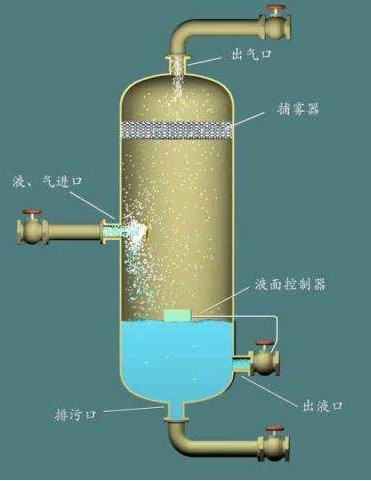
First off, let’s understand what an IC Anaerobic Tank is. It’s a key piece of equipment used in wastewater treatment. The "IC" stands for Internal Circulation, and it’s designed to break down organic matter in the wastewater through anaerobic digestion. Anaerobic means without oxygen. Bacteria in the tank work their magic in an oxygen – free environment to convert organic substances into biogas, mainly methane, which can be used as an energy source.
Now, let’s talk about dissolved oxygen (DO). Dissolved oxygen is the amount of oxygen that’s dissolved in the water. In a normal water body, like a river or a lake, DO is super important for the survival of aquatic life. But in an IC Anaerobic Tank, it’s a whole different story.
Negative Impact on Anaerobic Bacteria
The most significant impact of dissolved oxygen on an IC Anaerobic Tank is on the anaerobic bacteria. These bacteria are the workhorses of the tank. They’re adapted to live in an environment with little to no oxygen. When dissolved oxygen gets into the tank, it can mess things up big – time.
Anaerobic bacteria are sensitive to oxygen. When they’re exposed to dissolved oxygen, it can interfere with their metabolic processes. Some of these bacteria can even be killed off by the presence of oxygen. This is because they lack the necessary enzymes to deal with the reactive oxygen species that are formed when oxygen is present. For example, superoxide anions are produced in the presence of oxygen, and anaerobic bacteria don’t have the superoxide dismutase enzyme to break them down. As a result, the bacteria’s cell membranes can be damaged, and their DNA can be mutated, leading to a decrease in their activity and even death.
If the population of anaerobic bacteria decreases, the efficiency of the anaerobic digestion process drops. The tank won’t be able to break down the organic matter in the wastewater as effectively. This means that less biogas will be produced, and the quality of the treated wastewater may not meet the desired standards.
Impact on Biogas Production
Biogas production is one of the main reasons for using an IC Anaerobic Tank. The anaerobic bacteria convert the organic matter in the wastewater into biogas, which is a valuable energy source. But when dissolved oxygen enters the tank, biogas production takes a hit.
The presence of dissolved oxygen can shift the environment in the tank from anaerobic to more aerobic. Aerobic bacteria, which thrive in the presence of oxygen, start to grow and compete with the anaerobic bacteria for nutrients. These aerobic bacteria break down the organic matter through aerobic respiration, which uses oxygen and produces carbon dioxide and water instead of methane.
So, instead of getting a good amount of methane – rich biogas, the proportion of carbon dioxide in the biogas increases, and the overall methane yield decreases. This is not only a loss in terms of energy production but also means that the value of the biogas as a fuel is reduced.
Impact on Tank Stability
An IC Anaerobic Tank operates best when it has a stable environment. Dissolved oxygen can disrupt this stability. When the anaerobic bacteria are affected by the oxygen, the chemical and physical conditions in the tank start to change.
The pH level in the tank may fluctuate. Anaerobic digestion is a complex process that involves multiple steps, and each step has an optimal pH range. If the bacteria are not functioning properly due to the presence of dissolved oxygen, the intermediary products of the digestion process may accumulate, leading to a change in the pH. This, in turn, can further affect the activity of the remaining bacteria and the overall performance of the tank.
The temperature in the tank can also be affected. Anaerobic digestion is an exothermic process, meaning it releases heat. When the bacteria are not working efficiently because of dissolved oxygen, the heat production may decrease. This change in temperature can be harmful to the bacteria, as they have a specific temperature range in which they function best.
How to Control Dissolved Oxygen in an IC Anaerobic Tank
As a supplier, I know that controlling dissolved oxygen is crucial for the proper functioning of an IC Anaerobic Tank. There are several ways to do this.
First, make sure the influent wastewater has a low dissolved oxygen content. This can be achieved by pre – treating the wastewater before it enters the tank. For example, you can use a de – aeration process to remove the dissolved oxygen from the water.
Another way is to maintain a proper seal on the tank. The tank should be airtight to prevent oxygen from entering. Any leaks in the tank can allow air to seep in, increasing the dissolved oxygen levels. Regularly inspect the tank for any signs of damage or leaks and repair them immediately.
You can also add chemicals to the tank to scavenge the dissolved oxygen. For example, sodium sulfite can be added, which reacts with the dissolved oxygen to form sodium sulfate. However, this method needs to be carefully controlled, as adding too much of the chemical can have other negative impacts on the tank environment.
Why It Matters to You
If you’re considering buying an IC Anaerobic Tank, understanding the impact of dissolved oxygen is essential. A well – maintained tank with low dissolved oxygen levels will give you better performance. You’ll get more biogas production, which means more energy for your operations. The treated wastewater will also be of better quality, which can save you money on further treatment or disposal.

In addition, a stable tank environment means less maintenance and fewer headaches for you. You won’t have to deal with sudden drops in performance or unexpected breakdowns.
Spray Tower So, if you’re in the market for an IC Anaerobic Tank, don’t hesitate to reach out. I’ve got the expertise and the high – quality tanks to meet your needs. Whether you have questions about dissolved oxygen control or any other aspect of the tank, I’m here to help. Let’s start a conversation and see how we can work together to make your wastewater treatment process more efficient and cost – effective.
References
- Metcalf & Eddy. (2003). Wastewater Engineering: Treatment and Reuse. McGraw – Hill.
- Speece, R. E. (1996). Anaerobic Biotechnology for Industrial Wastewaters. Educational Publishers Inc.
Jinan Guangbo Environmental Protection Technology Co., Ltd.
We’re well-known as one of the leading ic anaerobic tank manufacturers and suppliers in China. With a professional production team, we are able to meet the needs of the majority of our customers. Please feel free to buy high quality ic anaerobic tank from our factory.
Address: No. 102, Commercial and Residential Building, 18th Floor, Tangye Academician Valley, Tangye Sub-district, Licheng District, Jinan City
E-mail: info@gbwwt.com
WebSite: https://www.gbwwt.com/
