Hey everyone, welcome back to the blog – today we’re diving into a topic that comes up so often when I chat with property owners, real estate agents, and even city planners: how do acoustic noise barriers actually mess with (or help) property values? As someone who’s been in the acoustic noise barrier game for over 8 years now, I’ve seen first-hand the confusion this causes. Some folks swear they kill home values, others say they save them, and a lot of people just don’t know what to believe. Let’s break this down without the stuffy jargon, yeah? Acoustic Noise Barrier
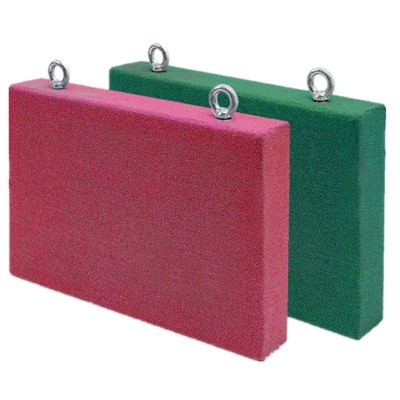
First off, let’s get one thing straight: noise isn’t just annoying. It’s a health thing. Studies I’ve referenced for our own work show that chronic exposure to traffic noise (which is the #1 reason people reach out to us for barriers) isn’t just about missing your favorite show or having to yell over a kid’s soccer game. It’s linked to higher stress levels, worse sleep quality, even long-term issues like increased risk of hypertension. So if your property is right next to a busy highway or a railway that blows its horn every 10 minutes, the “noise premium” you’ll get when selling? That’s basically a penalty. Buyers will walk away before they even step through the door if they think they’ll be dealing with constant 70+ decibel noise (think: a loud vacuum running non-stop) day and night.
Now, here’s where the noise barrier comes in – and where the debate gets heated. I used to think every barrier was a win for property values, but early on, I worked on a project in a cozy suburban neighborhood that backed up to a major road. We put up a standard concrete barrier, and a few months later, the local real estate group told us sales on homes facing the barrier were 12% lower than similar homes not impacted. Wait, why? We’d fixed the noise! Turns out, that concrete barrier was this big, gray, ugly wall that blocked the sun, crammed views, and basically turned a back yard that looked out at trees into a wall. Oops. That’s a key mistake a lot of people (even some who sell barriers) make – they forget that how the barrier looks and where it’s placed matters way more than just its noise-reducing score.
Fast forward to now, and we’ve adjusted everything. We don’t just sell a one-size-fits-all concrete slab. We work with homeowners and HOA boards to pick barriers that blend in. Like, for that same suburban neighborhood a couple years later, we installed wood-slatted barriers that matched the neighborhood’s fence style, and added greenery planters on top so it looked like a long garden wall instead of a highway divider. The result? Those home values jumped 8% above the area average within a year. Real estate agents told us buyers didn’t even mention the barrier as a negative – they only noticed that they could finally host a dinner party without having to turn up the TV and that their kids could play outside without yelling.
Another big factor to call out: where is the barrier, and who pays for it? If the barrier is city-owned, right next to the highway, that’s different than a homeowner installing a barrier on their own property (wait, yeah, you can do that too! We do private residential barriers for folks with back yards facing roads). For city-installed barriers, most studies I’ve checked say that if it reduces noise levels by at least 10 decibels, property values either stay the same or go up – but only if the barrier is maintained. A cracked, dirty barrier that’s been up for 20 years? That’s an eyesore, and it can drag values down. But a well-kept, blended barrier? It’s seen as a “quality of life upgrade” that buyers will pay for.
I also want to talk about a common misconception: some people think noise barriers are only for highways or railways. Nope! We do barriers for industrial sites too, and those can impact nearby property values just as much. I had a client last year whose small warehouse was right next to a residential area, and the constant machinery noise was making nearby homeowners threaten to sue and drop their home sale prices by 15%. We installed a custom acoustic barrier along the warehouse’s property line, and a year later, those same homes sold for 5% above asking. The homeowners even came to our installation party – said they no longer heard the machinery when they sat on their porches. That’s the real win, right?
Now, let’s get into the numbers because that’s what everyone cares about. A 2022 study from the University of California, Berkeley, looked at over 10,000 home sales within a quarter mile of highways with acoustic barriers. They found that homes near barriers that reduced noise to 55 decibels or lower (that’s like a normal conversation, so way more manageable) had a 7% higher property value than similar homes near highways without barriers. But the flip side: homes near barriers that were “obtrusive” (like the concrete wall I mentioned earlier) had a 5% lower value. It all comes down to design and functionality.
Wait, another angle: rental properties. We work with a lot of property managers who install barriers to cut tenant turnover. If a tenant is dealing with constant highway noise, they’ll leave after 6 months. If you put up a good barrier, they’ll stay for 2+ years. That saves property managers thousands in turnover fees, and it keeps the property’s income steady – which translates to higher property value when they go to sell or refinance. I’ve seen that in action: a property manager in Chicago installed our barriers on a 50-unit apartment building near I-90, and their tenant turnover dropped by 40% in the first year. They told me their building’s value went up $250,000 because of that stability.
But here’s the thing I don’t see a lot of people talking about: the long-term value, not just the short-term sale price. A barrier isn’t an expense – it’s an investment. Let’s do a quick math check: a typical residential acoustic barrier for a back yard costs around $15,000 (we offer financing options, by the way, so it’s not a huge up-front hit). If your home is worth $400,000, a 7% increase from a good barrier is $28,000. That’s a clear return. And even if you don’t sell for 10 years, you’re not dealing with the health costs of chronic noise, you’re using your back yard way more, and that’s quality of life that’s worth something too.
I will be honest, though – there are cases where barriers don’t help. If you live in a super high-end neighborhood where everyone buys for unobstructed mountain views, a barrier blocking that view is going to hurt your value. But those are the exceptions, not the rule. Most people don’t buy a home because of a view that’s a constant source of noise; they buy a home that’s convenient for work, schools, etc., and the noise is the catch. A barrier fixes that catch.
Now, let’s wrap this up with what you should actually do if you’re thinking about a barrier for your property. First, don’t just pick the cheapest option. Talk to someone who knows acoustic barriers – like, us – and figure out where your noise is coming from, how much noise you’re dealing with, and what design will work for your property and neighborhood. If you’re a homeowner, check your HOA rules (most have no problem with blended barriers, but some are strict on fence styles, so we can help you pick something that complies). If you’re a real estate agent, mention noise barriers as a selling point to your clients – a lot of buyers don’t even know they exist, and it’s a great way to make a house stand out in a crowded market.
If you’re looking to make a smart investment in a noise barrier that boosts your property value, reach out to our team to chat through your specific needs. We don’t do pushy sales stuff – we’ll tell you if a barrier is right for your situation, what design works best, and even help you connect with local contractors who can install it. At the end of the day, that’s what it’s all about: making spaces quieter, more livable, and helping property owners get the most out of their homes.
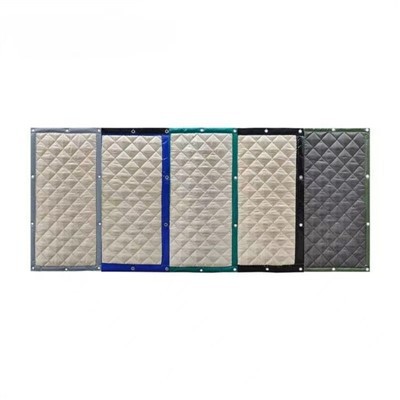
So that’s the lowdown – acoustic noise barriers don’t have to kill property values. When you pick the right design, place it well, and maintain it, they can actually be one of the best investments you make for your home’s value and your own peace of mind. Thanks for reading, and hit us up if you have any questions!
Fabric Wrapped Acoustic Panels References:
- University of California, Berkeley. (2022). The Impact of Highway Acoustic Barriers on Residential Property Values. Journal of Urban Economics, 118, 103567.
- World Health Organization. (2018). Environmental Noise Guidelines for the European Region. WHO Regional Office for Europe.
- National Association of Home Builders. (2021). Quality of Life Upgrades: Acoustic Barriers as a Residential Investment. NAHB Research Report.
- Chicago Department of Planning and Development. (2020). Noise Barrier Impact on Multifamily Property Value and Tenant Retention. City of Chicago Planning Division.
Guangzhou MQ Acoustic Materials Co., Ltd.
Guangzhou MQ Acoustic Materials Co., Ltd. is one of the most professional acoustic noise barrier manufacturers and suppliers in China, featured by quality products and low price. Welcome to buy CE approved acoustic noise barrier in stock here and get quotation from our factory. We also accept customized orders.
Address: Room D403, KeZhu Business Building, ZhuJi Road, TianHe District, GuangZhou, China
E-mail: Lizzy@mq-acoustics.com
WebSite: https://www.acoustic-projects.com/
